
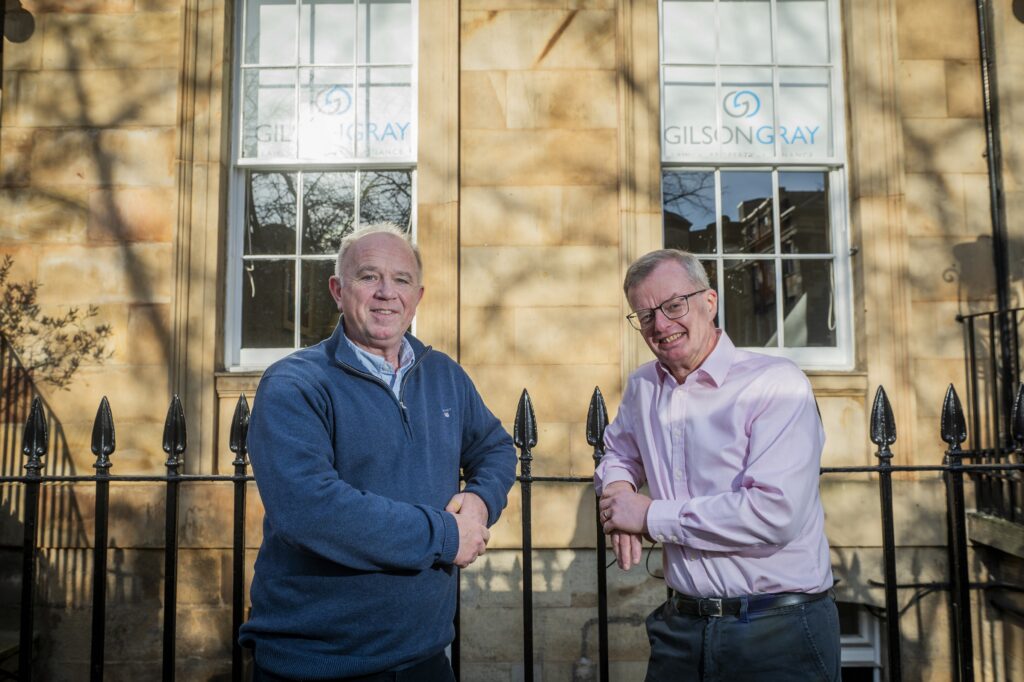
We have exciting news to share with you all. We have further strengthened our position in Edinburgh with the acquisition of MHD Law.
The deal represents our second takeover deal of 2024.
MHD has a 100-year history and, over that time, has established a strong local reputation for delivering legal services across property, estate agency and conveyancing; private client services; and family law, including associated court work. A team of 17, including Kieran Fitzpatrick, Chris Benson, and Raymond Fairgrieve, will now join Gilson Gray’s Edinburgh office.
The deal will see MHD’s clients gain access to the full spectrum of legal, property, and financial services offered by Gilson Gray across the UK, including corporate and family business support, litigation, debt recovery, lettings, as well as the expertise provided by its financial services arm, Gilson Gray Financial Management.
Get in touch with the team;
| Kieran Fitzpatrick Legal Director | ||||
|
| Chris Benson Legal Director | ||||
|
| Raymond Fairgrieve Senior Associate | ||||
|